How Do You Get Started Planning an Estate Sale in Acadia Parish?
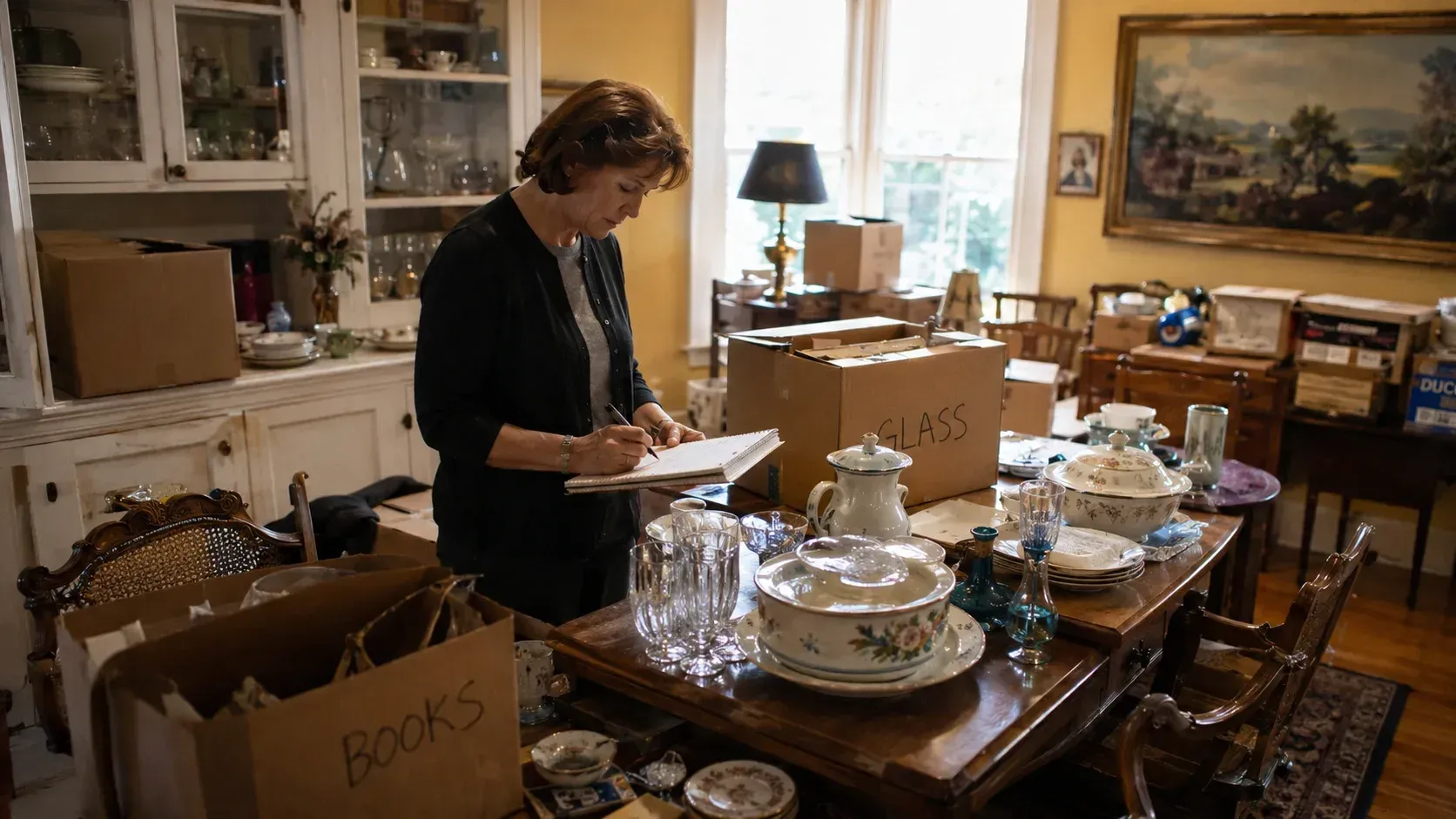
Table of Contents
- How Do You Start Planning an Estate Sale?
- Step One: Decide Whether an Estate Sale Fits
- Step Two: Sort and Set Aside Keepsakes
- Step Three: Identify High-Value Items Early
- Step Four: Choose Between DIY and a Professional
- Step Five: Handle the Paperwork and Legal Steps
- Step Six: Set a Realistic Timeline
- Conclusion
- Planning an Estate Sale in Acadia Parish and Not Sure Where Your Valuables Stand?
- Frequently Asked Questions
Key Takeaways
- Start by deciding whether an estate sale is the right method for the property, then sort belongings and set aside anything you want to keep before pricing begins.
- Identify high-value items like gold, jewelry, coins, and watches early, since these often deserve separate appraisal rather than being sold at general-sale prices.
- Choosing between running the sale yourself and hiring a professional company comes down to the size of the estate, your time, and how much of the work you want to manage.
- In Louisiana, settling a deceased person's estate can involve a legal process called succession, so confirm the legal steps that apply before scheduling anything.
- A realistic timeline usually runs several weeks from first decisions to sale day, and building in time for sorting, valuation, and paperwork reduces stress later.
Introduction
To start planning an estate sale in Acadia Parish, first decide whether an estate sale is the right way to sell the property, then sort through the belongings, set aside keepsakes, identify high-value items for separate appraisal, and choose whether to run the sale yourself or hire a professional company. From there, you handle any legal paperwork and set a timeline. Because Acadia Parish sits within the greater Lafayette area, many residents work with buyers and specialists serving Acadia Parish when they reach the valuation stage.
Getting the planning right matters because the early decisions shape everything that follows. Whether you are settling a relative's estate, downsizing, or clearing a business property, how you sort, value, and organize items affects both your return and how smoothly the sale runs. This guide walks through the planning process step by step, from the first decision to a workable timeline, and explains where local Louisiana rules and high-value items call for extra attention.
How Do You Start Planning an Estate Sale?
You start planning an estate sale by deciding whether a sale fits the situation, sorting and inventorying the belongings, setting aside items to keep, identifying valuables that need separate appraisal, and then choosing between a do-it-yourself sale and a professional company before setting a timeline and handling any legal steps.
Planning is mostly about sequence. Each step depends on the one before it, so working in order prevents costly backtracking, such as pricing items you later decide to keep.
The scale of the estate drives how involved the process is. A modest apartment takes far less planning than a full house with decades of belongings, tools, collectibles, and valuables. The rest of this article breaks each step down so you can move at a pace that fits your situation.
Step One: Decide Whether an Estate Sale Fits
Before anything else, decide whether an estate sale is the right approach. An estate sale works best when a property holds a large, mixed volume of items, from furniture and household goods to collectibles and everyday belongings.
For a smaller number of items, or mostly high-value pieces, other methods may serve better. Selected valuables can go through consignment, and gold, coins, or jewelry often do best sold directly to a specialist buyer.
Ask a few practical questions. How much is there? How quickly does the property need to be cleared? How much of the work can you take on? The answers point toward whether a full estate sale, a smaller sale, or a different method makes sense.
If you decide a sale fits, understanding how professional estate sale services are typically structured helps you plan the remaining steps with realistic expectations.
Step Two: Sort and Set Aside Keepsakes
Once you commit to a sale, sorting comes next, and it is usually the most time-consuming part. Go room by room and separate items into broad groups: keep, sell, donate, and discard.
Set aside keepsakes before anything is priced. This is easy to underestimate. Family photos, documents, and sentimental items can be hard to spot once a sale is underway, and once something sells, it is gone.
Check hidden spots carefully. Cash, important papers, and small valuables turn up in books, drawers, pockets, and containers more often than people expect. A thorough pass now prevents the loss of something that mattered.
Keep a simple inventory as you sort. A basic list of what will be sold gives you a record, helps with pricing decisions, and makes it easier to compare offers if you bring in professional help.
Step Three: Identify High-Value Items Early
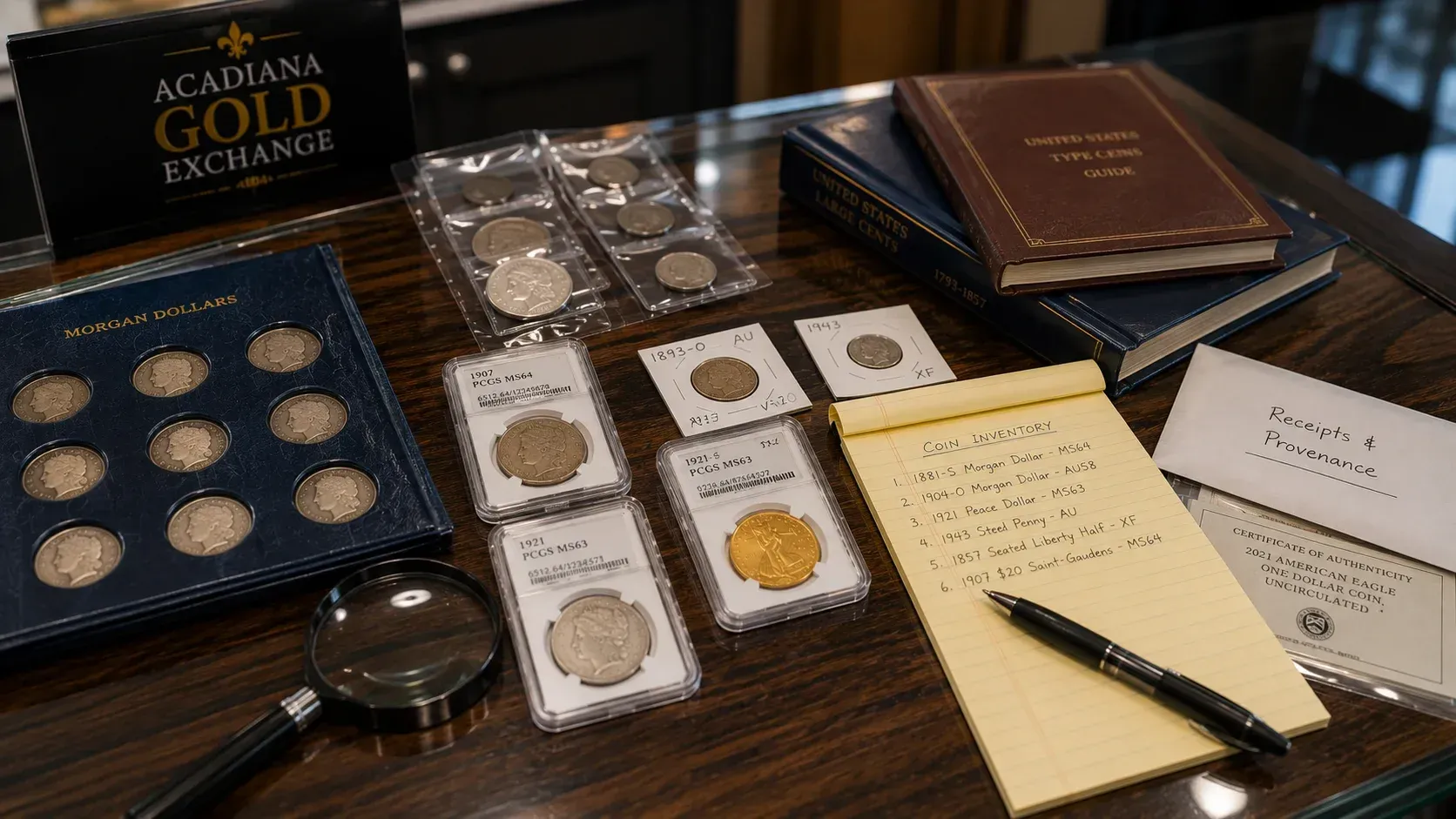
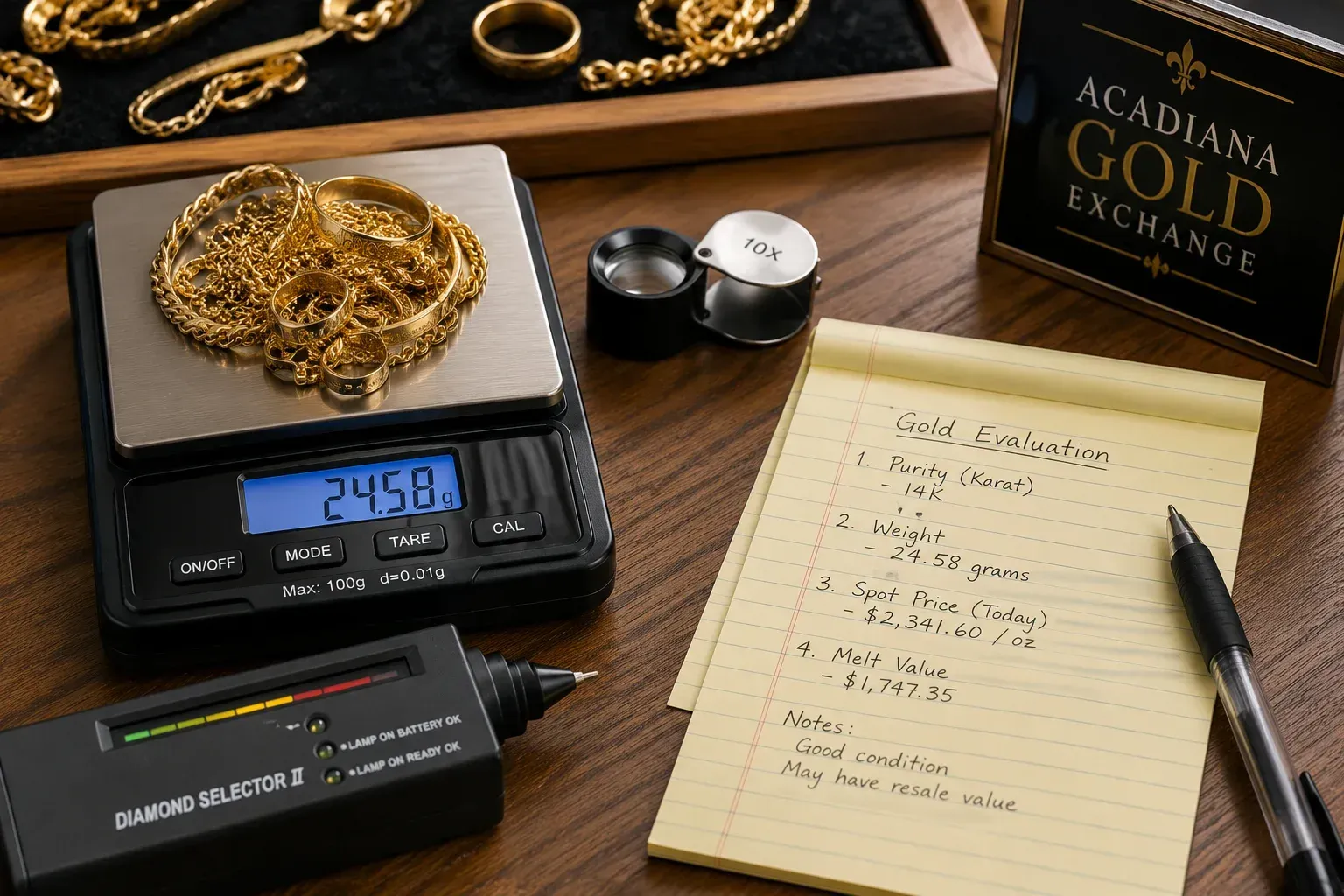
Identify high-value items such as gold, jewelry, coins, watches, and fine collectibles early in the planning process, because these carry measurable market value and are frequently underpriced when sold at general estate-sale prices rather than through separate appraisal.
The reason is straightforward. A gold bracelet or a rare coin is valued on metal content or collector demand, not on how it looks to a weekend shopper. General-sale buyers hunt for bargains, and staff pricing hundreds of items cannot research each piece deeply.
Setting these items aside for individual evaluation protects their value. For gold in particular, learning how to know what your gold is worth before the sale helps you avoid letting a valuable piece go for a fraction of its market value.
For select higher-value items that are not precious metals, consignment can be another path worth weighing. Understanding how consignment works helps you decide which items belong in the general sale and which deserve a different channel.
Step Four: Choose Between DIY and a Professional
A key planning decision is whether to run the sale yourself or hire a professional estate sale company. Each path has real trade-offs, and the right choice depends on your circumstances.
| Factor | Do It Yourself | Hire a Professional |
|---|---|---|
| Cost | No commission, but your time and effort | Commission, often 30-50% of gross sales |
| Best for | Smaller, simpler estates | Larger or complex estates |
| Time required | High, all tasks fall to you | Low, the company manages most work |
| Pricing expertise | You research everything | Company researches and prices |
| Marketing reach | Your own network | Established buyer lists and advertising |
| Security | You arrange it | Company staffs and secures the sale |
Running it yourself saves the commission but demands significant time for sorting, researching prices, advertising, staffing, and security. This can work for a small, straightforward estate.
Hiring a company shifts most of that work to professionals who price, stage, market, staff, and manage the sale. When you evaluate companies, it helps to know how to spot the scams and overpriced items that can appear at poorly run sales, so you can ask the right questions and compare contracts on their full terms rather than the headline rate.
Step Five: Handle the Paperwork and Legal Steps
Planning an estate sale sometimes involves legal steps, especially when the sale follows a death. In Louisiana, settling a deceased person's estate often requires a court process called succession, and selling estate property may need to wait for or work within that process.
Authority to sell matters. If you are handling someone else's estate, be sure you have the legal right to sell the property, whether through succession, an executor role, or power of attorney. This protects you and gives buyers confidence.
Tax and permit questions can also apply. Sales tax collection and, in some cases, local permits may be relevant to an estate sale. These details depend on your specific situation.
Because these rules vary, confirm the legal steps with an attorney, the parish, or the Louisiana Department of Revenue before scheduling a sale. This is a sensible planning step rather than an assumption to make on your own.
Step Six: Set a Realistic Timeline
With the other steps mapped out, build a timeline that gives each part enough room. Rushing usually leads to mistakes, underpricing, or overlooked keepsakes.
A common planning arc looks like this. Sorting and inventory take one to three weeks depending on the estate. Valuation of high-value items and, if hiring, choosing a company add time. The company's own preparation typically runs one to three weeks before the sale itself.
Season and local timing matter too. Turnout can be affected by weather, holidays, competing sales, and the local event calendar. In this part of Louisiana, extreme summer heat and major festival weekends can pull attention away from a sale.
Conclusion
Planning an estate sale in Acadia Parish is a sequence of decisions: confirm the method fits, sort belongings and protect keepsakes, identify high-value items for separate appraisal, choose between a do-it-yourself sale and a professional company, handle the legal steps, and set a realistic timeline. Each step builds on the last, and working in order prevents backtracking.
The strongest plans tend to separate measurable-value items like gold, coins, jewelry, and watches from the general sale, compare any company on its full contract terms, and confirm the Louisiana legal steps that apply before a date is set. Approaching the process step by step, with room in the schedule for the parts that take longer than expected, puts you in a good position to make informed decisions from the very beginning.
Planning an Estate Sale in Acadia Parish and Not Sure Where Your Valuables Stand?
If your estate includes gold, jewelry, coins, or watches, understanding what those specific pieces are worth early in your planning helps you decide which items belong in a general sale and which deserve separate handling. We examine items in the open and explain how we reach a value, so you can plan with real information rather than guesswork.
Reach out to our team at Acadiana Gold Exchange to ask questions or arrange a time to bring pieces in.
Frequently Asked Questions
How long does it take to plan an estate sale?
Planning usually takes several weeks. Sorting and inventory often run one to three weeks, and valuation, choosing a company, and legal steps add time. A larger or more complex estate takes longer, so build a flexible timeline.
What should I do first when planning an estate sale?
Start by deciding whether an estate sale fits the property, then sort belongings and set aside keepsakes before pricing begins. Identifying high-value items early and confirming your legal authority to sell are also important first steps.
Should I sell gold and coins at the estate sale or separately?
Gold, coins, jewelry, and watches are valued on metal content or collector demand, not foot traffic, so they can be underpriced in a general sale. Many families have them appraised and sold separately to reflect their actual market value.
Do I need legal permission to hold an estate sale in Louisiana?
Settling a deceased person's estate often involves Louisiana's succession process, and you need legal authority to sell the property. Rules vary by situation, so confirm the steps with an attorney or the parish before scheduling a sale.
Is it cheaper to run an estate sale myself?
Running it yourself avoids commission but requires significant time for sorting, pricing, advertising, staffing, and security. This can suit a small estate, while larger or complex estates often benefit from a professional company despite the commission.
Related Posts