How to Sell Gold and Silver Coins Without Losing Value
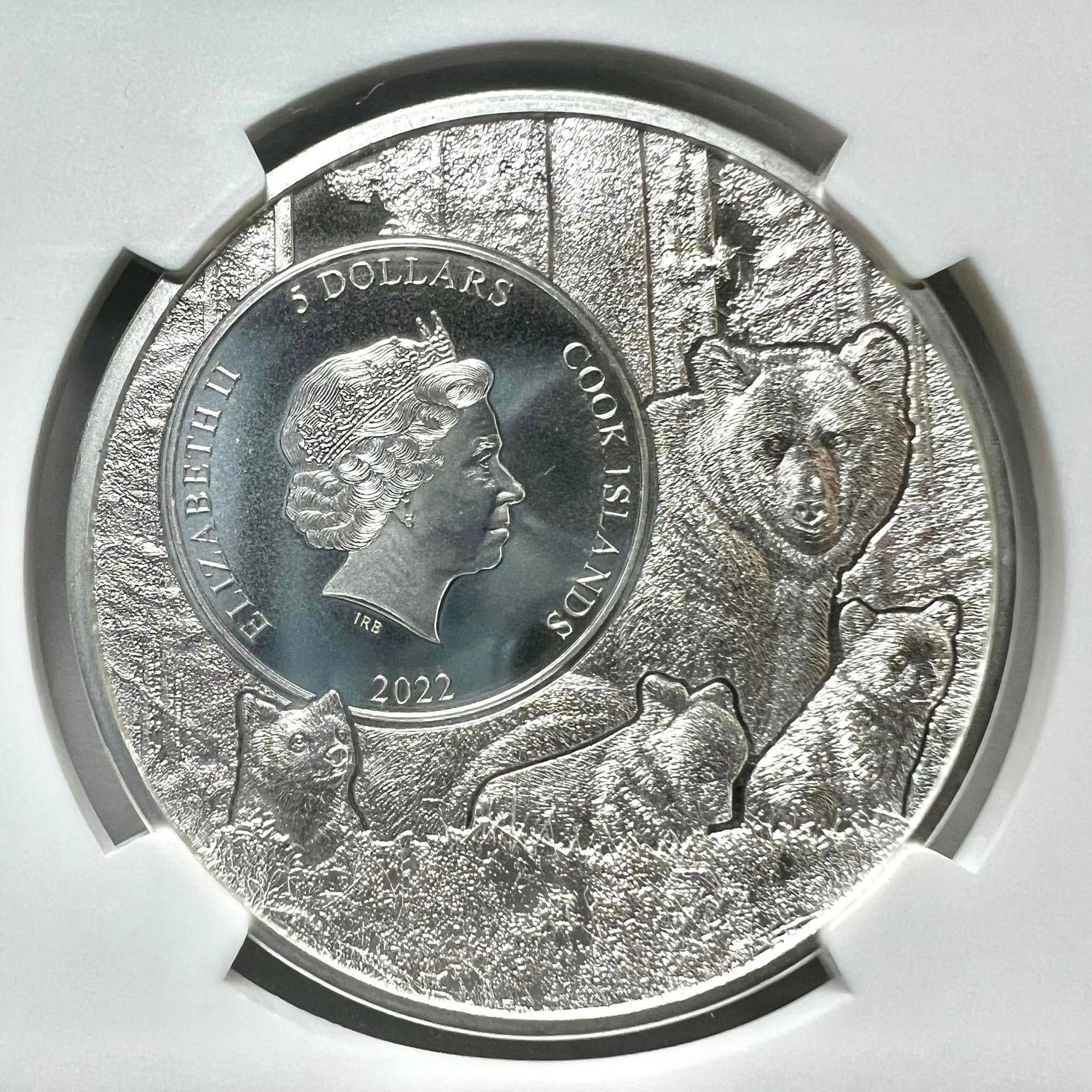
Table of Contents
- Introduction
- Understanding Your Coins
- Types of Gold and Silver Coins
- Evaluating Coin Condition
- Verifying Authenticity
- Researching Market Prices
- Tracking Gold and Silver Spot Prices
- Historical and Collectible Value
- Finding Reputable Buyers
- Local Coin Shops and Exchanges
- Certified Dealers and Appraisers
- Online Marketplaces: Risks and Considerations
- Preparing Coins for Sale
- Documentation and Provenance
- Proper Handling and Storage
- Negotiating Offers
- Comparing Multiple Offers
- Understanding Fees and Commissions
- Conclusion
- Frequently Asked Questions
- Book a Gold and Silver Consultation
Key Takeaways
- Assess the condition and authenticity of your coins before selling.
- Understand current market prices for gold and silver coins.
- Work with reputable, certified buyers in Lafayette, LA.
- Compare offers and ask questions about pricing and fees.
- Keep documentation for transparency and record-keeping.
Introduction
Selling gold and silver coins requires careful planning to ensure you receive fair market value. Whether you are a collector or an individual looking to liquidate assets, knowing how to sell gold and silver coins responsibly helps protect your investment and avoid unnecessary losses. This guide provides practical steps for evaluating coins, understanding pricing, and identifying trustworthy buyers in Lafayette, LA.
Understanding Your Coins
Types of Gold and Silver Coins
Gold and silver coins vary widely in composition, age, and collectible value. Common categories include bullion coins, which are valued mainly for metal content, and numismatic coins, which may carry additional value due to rarity or historical significance. Recognizing the type of coin you own is the first step toward an informed sale.
Evaluating Coin Condition
Coin condition significantly influences market value. Factors such as scratches, tarnishing, and wear can reduce price. Learn to identify grading terms such as "mint," "uncirculated," or "fine" to describe your coins accurately.
Verifying Authenticity
Counterfeit coins exist, particularly in high-value markets. Verification methods include professional appraisal, magnet tests for base metals, and checking hallmarks or mint marks. Certification from recognized organizations increases credibility and buyer confidence.
Researching Market Prices
Tracking Gold and Silver Spot Prices
The market value of gold and silver fluctuates daily. Checking spot prices provides a baseline for expected value. Many reputable financial websites and local exchanges publish real-time spot prices for metals.
Historical and Collectible Value
For numismatic coins, historical and collectible factors may affect pricing beyond metal content. Rarity, historical significance, and market demand are relevant considerations. Reference price guides and auction results for informed comparisons.
Finding Reputable Buyers
Local Coin Shops and Exchanges
Local coin shops and exchanges offer face-to-face evaluation and negotiation. Selecting established businesses in Lafayette, LA, with verified credentials reduces risks associated with selling coins.
Certified Dealers and Appraisers
Certified dealers or appraisers provide professional evaluation services and can issue documentation of value. This can be helpful when negotiating offers or maintaining records for tax purposes.
Online Marketplaces: Risks and Considerations
Selling coins online offers wider reach but may carry additional risks, such as shipping loss or fraud. Review buyer ratings, policies, and payment terms carefully. Using insured shipping and tracking helps protect the transaction.
Preparing Coins for Sale
Documentation and Provenance
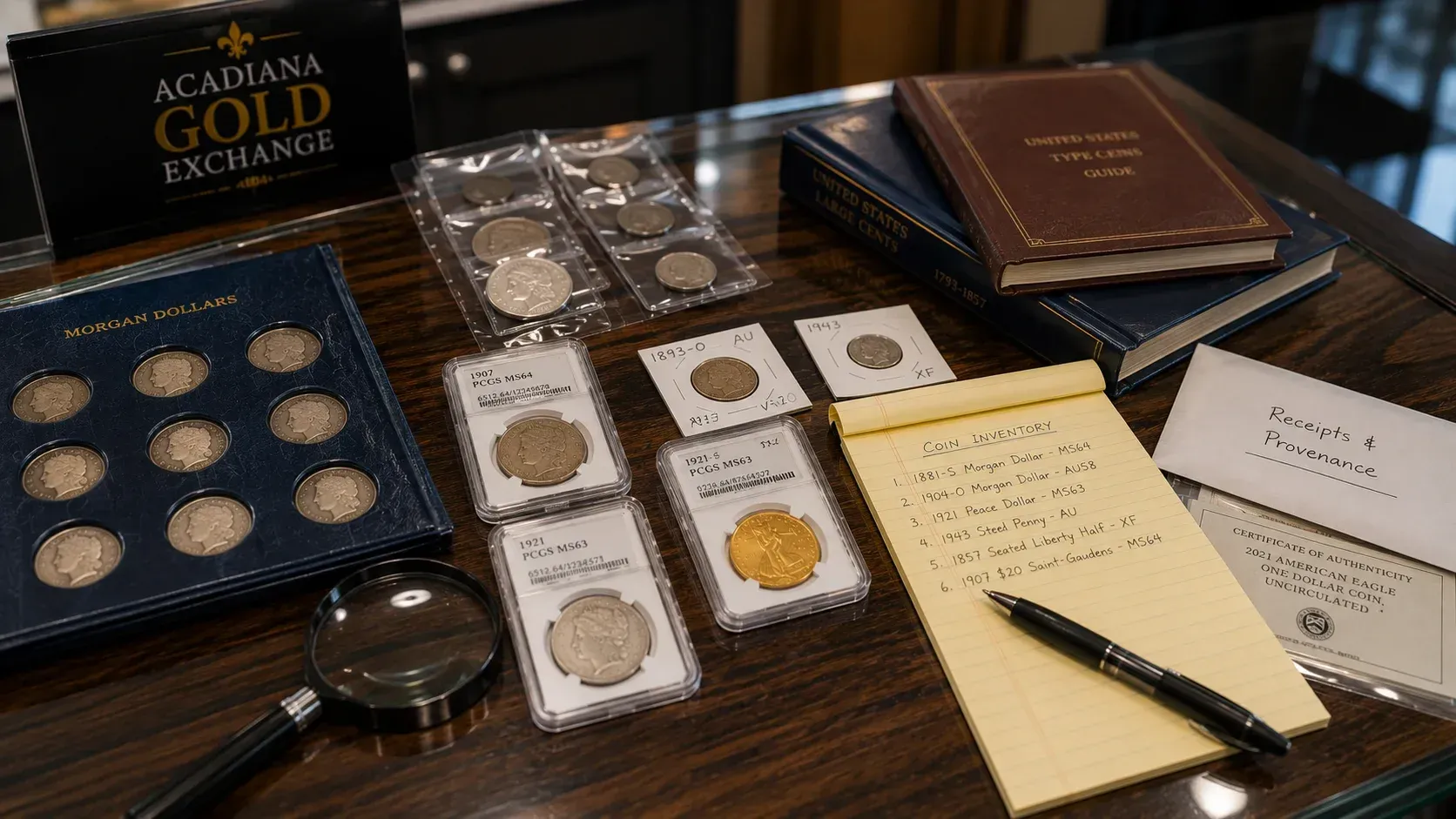
Keep receipts, certificates of authenticity, and previous appraisals. Clear documentation improves buyer trust and supports accurate pricing.
Proper Handling and Storage
Handle coins by the edges to avoid fingerprints and scratches. Store in protective cases or acid-free materials to preserve condition until sale.
Negotiating Offers
Comparing Multiple Offers
Seek multiple offers to understand the market range for your coins. Avoid accepting the first offer without comparison.
Understanding Fees and Commissions
Clarify any fees, commissions, or processing charges upfront. Transparent communication ensures you know the net value you will receive.
Conclusion
Selling gold and silver coins involves careful evaluation, understanding market pricing, and choosing reputable buyers. By following these steps, collectors and sellers in Lafayette, LA, can make informed decisions that reflect the true value of their coins. Maintaining records, handling coins carefully, and researching buyers supports transparency and ethical transactions.
Book a Gold and Silver Consultation
For guidance on how to sell gold and silver coins responsibly, our team at Acadiana Gold Exchange provides clear, ethical, and informative support. We can help you evaluate coins, understand market pricing, and connect with certified buyers. You can reach us via email at naaserus@yahoo.com or by calling 337-534-0039.
Frequently Asked Questions
How do I know if my coin is authentic?
We recommend professional appraisal, checking mint marks, and certification from recognized organizations.
Should I sell online or locally?
Local sales allow inspection, while online sales reach more buyers but require secure shipping and insurance.
How do I determine the value of my coin?
Consider spot metal price, coin condition, and numismatic factors such as rarity and historical significance.
Do all buyers pay the same?
Offers can vary. Compare multiple reputable buyers and review their fees or commissions for clarity.
How should I store coins before selling?
Use protective cases, handle by edges, and store in dry, secure conditions to maintain condition.
Related Posts