What You Need to Know About How to Clean Coins Without Damaging Them
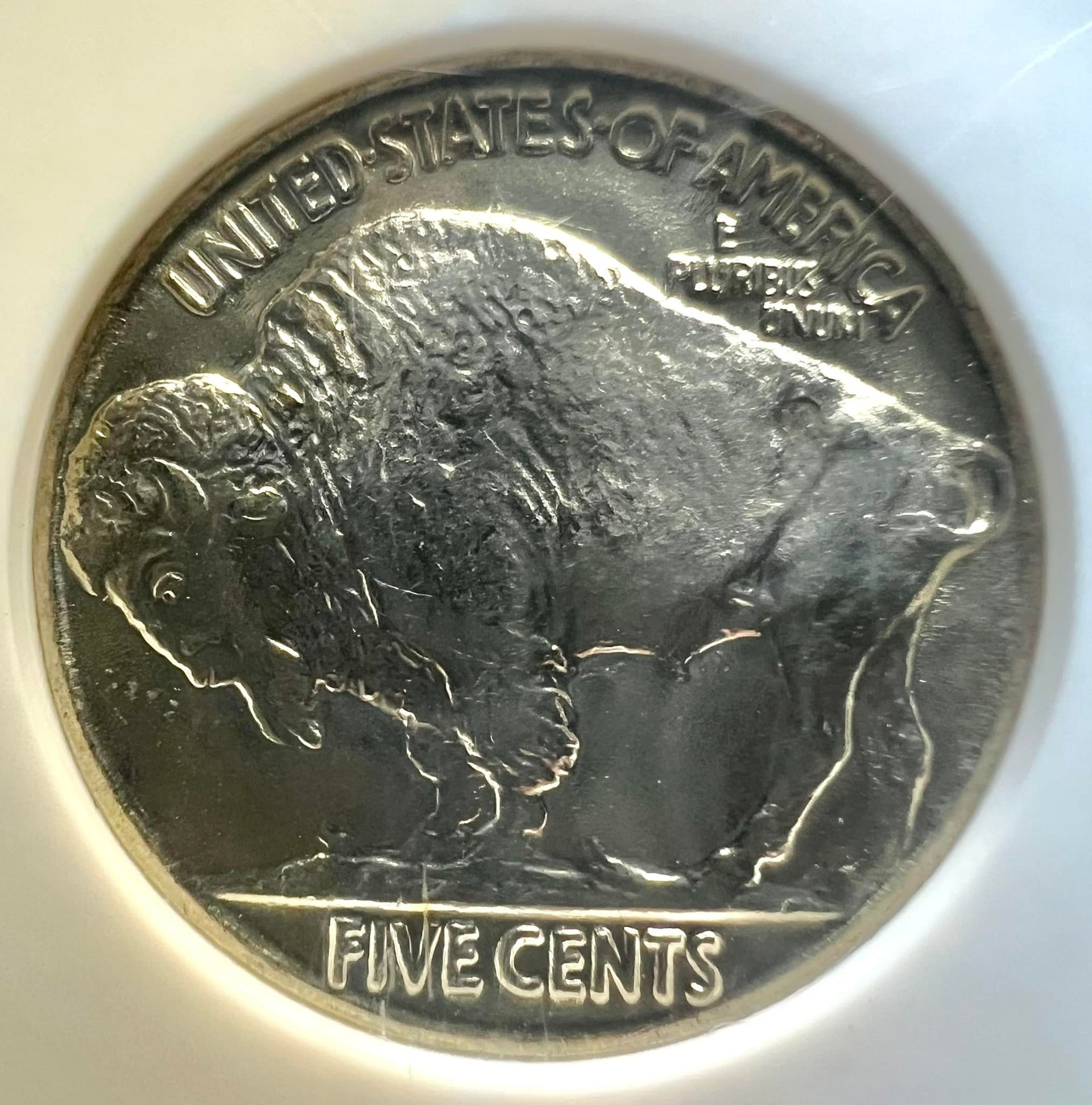
Table of Contents
- Introduction
- Understanding Coin Cleaning Risks
- Preparing Your Coins for Cleaning
- Handling Coins Safely
- Identifying Coin Materials
- Basic Coin Cleaning Methods
- Gentle Water and Soap Cleaning
- Using Soft Brushes and Cloths
- Cleaning Antique and Valuable Coins
- Avoiding Harsh Chemicals
- Professional Assessment for Rare Coins
- Drying and Storing Coins Properly
- Maintaining a Coin Collection
- Conclusion
- Frequently Asked Questions
Key Takeaways
- Coins can be damaged by improper cleaning, leading to scratches, discoloration, or corrosion.
- Gentle cleaning methods with water, mild soap, and soft brushes are safest for everyday coins.
- Antique and valuable coins require careful assessment before any cleaning.
- Correct drying and storage help preserve coins after cleaning.
- Understanding coin materials and conditions informs safer cleaning choices.
Introduction
We can
clean coins without damaging them by using careful, controlled methods suited to each type of coin. Proper coin cleaning matters for collectors and hobbyists in Lafayette, LA, because improper cleaning can reduce a coin’s historical integrity or surface quality. By understanding safe techniques, materials, and handling practices, we can maintain the condition of both everyday and antique coins while making informed decisions about cleaning or preserving our collection.
Understanding Coin Cleaning Risks
Cleaning coins may seem straightforward, but there are risks that can permanently alter their appearance or value. Abrasive materials, harsh chemicals, or improper handling can leave scratches, remove natural patina, or cause corrosion. Even gentle techniques, if applied incorrectly, can harm the metal surface. We approach coin cleaning with caution, prioritizing preservation over appearance enhancement.
Preparing Your Coins for Cleaning
Handling Coins Safely
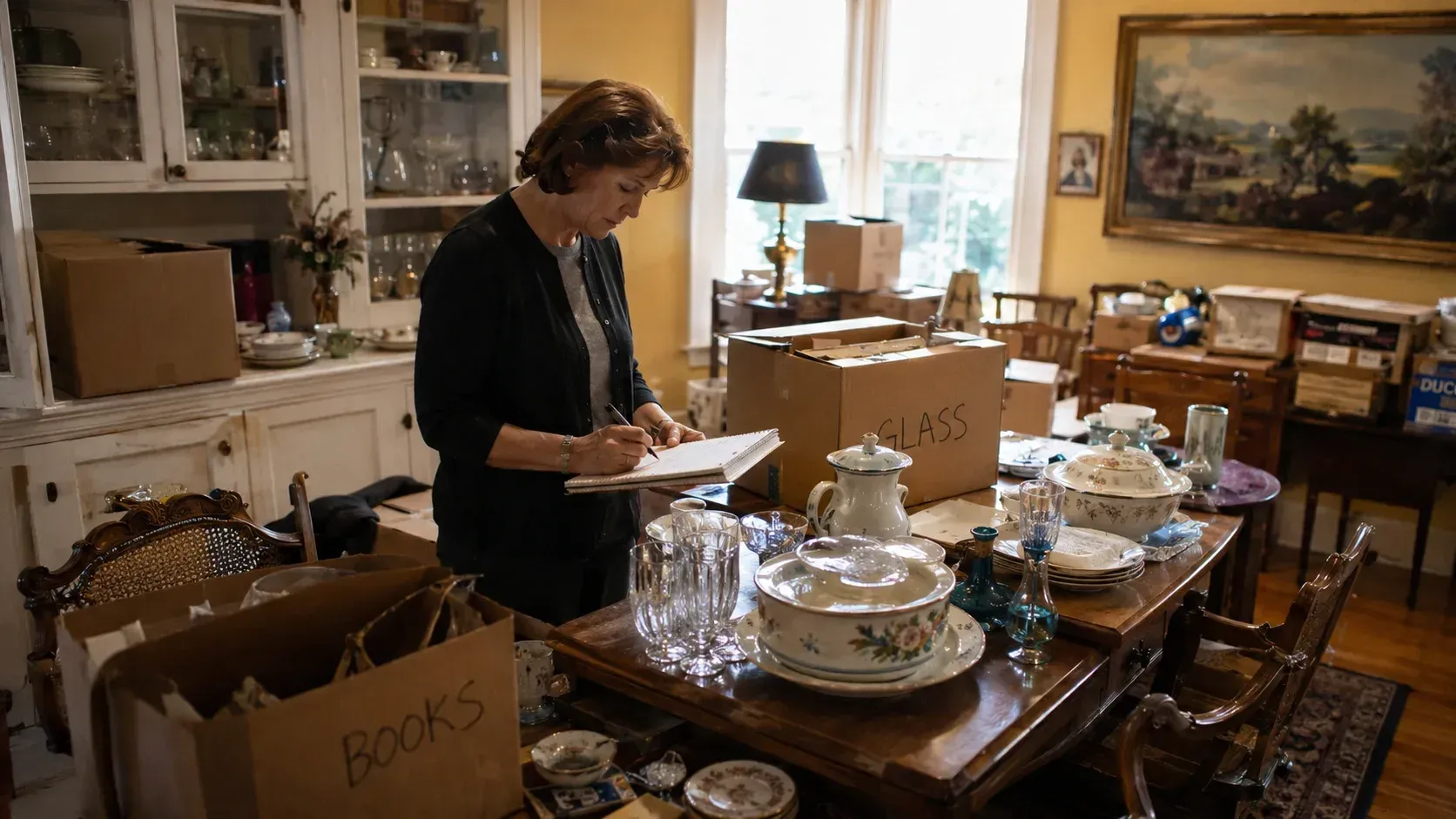
We always handle coins by their edges to avoid contact with the surfaces. Using cotton gloves or clean hands helps prevent oils and dirt from transferring. Setting up a clean workspace ensures coins are not exposed to accidental drops or contaminants during cleaning.
Identifying Coin Materials
Coins are made from different metals, including copper, silver, gold, and alloys. Identifying the coin’s composition informs which cleaning methods are appropriate. Soft metals like silver and copper are more sensitive to chemical reactions and abrasions, whereas gold is generally more durable but still benefits from gentle cleaning.
Basic Coin Cleaning Methods
Gentle Water and Soap Cleaning
For most modern coins, the safest cleaning method is lukewarm water with a mild, non-abrasive soap. We use a soft cloth or our fingers to lightly rub the surface, avoiding excessive pressure. Rinsing thoroughly removes soap residue, and patting dry with a soft towel prevents scratches.
Using Soft Brushes and Cloths
Soft-bristled brushes, such as natural hair or fine nylon, can help remove dirt from crevices without scratching the coin. Microfiber cloths provide a safe surface for gentle polishing. We avoid steel wool, abrasive pads, or harsh scrubbing, as these can leave irreversible marks.
Cleaning Antique and Valuable Coins
Avoiding Harsh Chemicals
Antique coins and rare pieces require extreme care. We avoid acids, commercial cleaners, or polishes that can strip natural patina or react with the metal. Even mild chemicals can darken or damage delicate surfaces.
Professional Assessment for Rare Coins
For highly valuable coins, consulting a professional is recommended before any cleaning. Experts can advise whether cleaning is necessary and perform treatments using controlled, safe methods. In some cases, leaving the coin uncleaned preserves historical and collector value.
Drying and Storing Coins Properly
After cleaning, we dry coins carefully using a soft, lint-free cloth or air-drying on a clean surface. Proper storage further protects coins from moisture, air, and physical damage. Acid-free holders, coin flips, or capsules are preferred, and maintaining a stable, low-humidity environment prevents corrosion over time.
Maintaining a Coin Collection
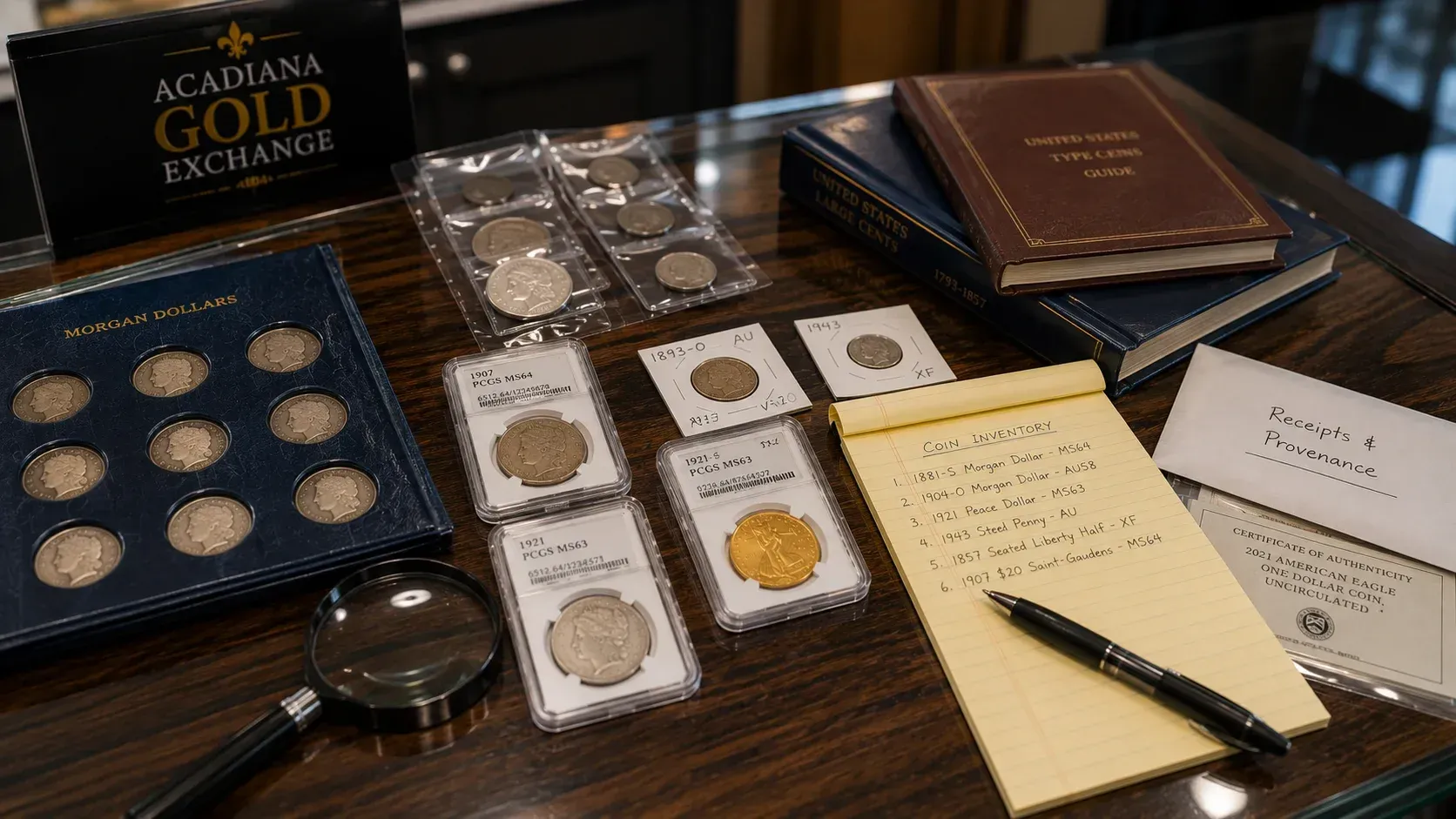
We maintain a coin collection by inspecting coins regularly, storing them in appropriate holders, and avoiding unnecessary handling. Keeping records of the coin’s condition and cleaning history allows us to make informed decisions about future cleaning or preservation. Routine care reduces the need for frequent cleaning, which can risk surface damage.
Conclusion
Cleaning coins without damage requires careful assessment, gentle techniques, and informed handling. We focus on understanding the coin’s metal, condition, and value before attempting any cleaning. Following safe practices for cleaning, drying, and storage allows us to preserve the integrity of coins while maintaining a collection that is both accessible and well-preserved.
Book a Coin Assessment or Cleaning Consultation
For professional guidance on safely cleaning or assessing your coins, we can provide clear, practical advice tailored to your collection. Reach out via the website
Acadiana Gold Exchange, email at
naaserus@yahoo.com, or phone
337-534-0039.
Frequently Asked Questions
How do you clean old coins safely?
We clean old coins using lukewarm water, mild soap, and soft brushes, avoiding harsh chemicals and abrasive materials that can damage the surface.
Can I clean antique coins at home?
It is generally safer to consult a professional for antique coins. Gentle cleaning may be possible for some pieces, but expert assessment ensures the coin’s value and integrity are preserved.
What materials should I avoid when cleaning coins?
We avoid steel wool, abrasive pads, acidic solutions, and commercial metal polishes, as these can scratch or chemically damage the coin.
How should coins be dried after cleaning?
Coins should be patted dry with a soft, lint-free cloth or left to air-dry on a clean surface. Avoid rubbing, which can leave scratches.
How can I maintain a coin collection to reduce cleaning needs?
Proper storage in acid-free holders, capsules, or flips, along with minimal handling and controlled humidity, helps maintain coins and reduces the need for frequent cleaning.
Related Posts