How Sterling Silver Differs From Other Types of Silver
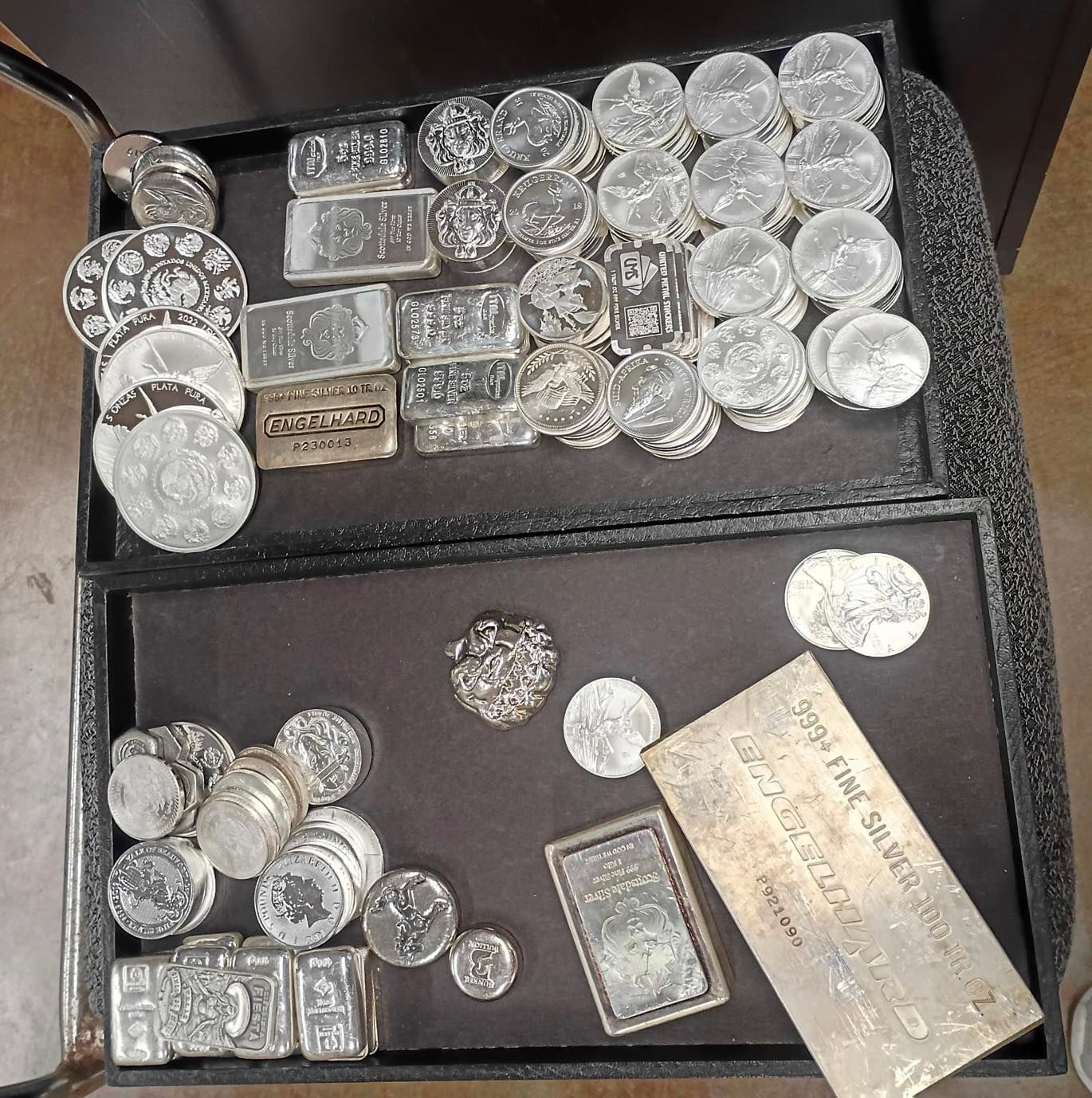
Table of Contents
- Introduction
- What Is Sterling Silver?
- Common Types of Silver
- Comparing Sterling Silver to Other Silver Alloys
- Factors Affecting Silver Value
- Understanding Silver Authenticity and Purity
- Practical Considerations for Buyers and Collectors
- Conclusion
- Book a Consultation with a Gemologist
- Frequently Asked Questions
Key Takeaways
- Sterling silver is an alloy consisting of 92.5% silver and 7.5% other metals, typically copper.
- Other silver types may have varying purity levels and compositions, affecting durability and appearance.
- Understanding silver composition helps buyers assess quality and value.
- Consulting a gemologist can verify authenticity and ensure informed purchasing decisions.
- Knowledge of silver types supports responsible collecting, resale, and jewelry care.
Introduction
Sterling silver differs from other types of silver primarily in its purity and composition, which makes it distinct in terms of durability, appearance, and potential value. For jewelry buyers, collectors, and anyone investing in silver or gemstones in Lafayette, LA, understanding these differences is essential. Knowledge of silver types supports informed decisions, protects against fraud, and helps maintain confidence in purchases. By working with experienced gemologists, we can verify authenticity, assess quality, and ensure transparent guidance on silver and jewelry investments.
What Is Sterling Silver?
Sterling silver is a specific type of silver alloy, composed of 92.5% pure silver and 7.5% other metals, most often copper. The addition of another metal increases the strength and durability of silver, which is naturally soft and prone to scratching.
Characteristics of sterling silver include:
- Durability: The copper content strengthens the metal for practical use in jewelry and household items.
- Appearance: Sterling silver has a bright, reflective finish that can be polished to maintain its luster.
- Markings: Authentic sterling silver items are usually stamped with “925,” indicating 92.5% purity.
Sterling silver is commonly used in jewelry, flatware, and collectible items due to its balance of beauty and functionality.
Common Types of Silver
While sterling silver is widely recognized, other silver types include:
- Fine Silver (99.9% pure): Extremely soft, less durable, used mainly in bullion or specialty jewelry.
- Coin Silver (90% pure): Historical term originating from melted coins; less common today.
- Argentium Silver: A modern alloy with added germanium for tarnish resistance, often marketed for high-end jewelry.
- Britannia Silver (95.8% pure): Primarily used in fine silverware; softer than sterling but highly lustrous.
Each type varies in purity, hardness, and intended application, which affects both maintenance and value.
Factors Affecting Silver Value
Several factors influence the practical and resale value of silver:
- Purity: Higher silver content generally increases intrinsic value.
- Weight: Silver is often priced per ounce or gram; heavier pieces may have higher material value.
- Craftsmanship: Quality of workmanship, especially in jewelry, can affect perceived and market value.
- Market Conditions: Silver prices fluctuate based on supply, demand, and global economic conditions.
By knowing these factors, collectors and buyers can approach purchases with a realistic understanding of silver’s role as both an aesthetic and investment material.
Understanding Silver Authenticity and Purity
Verifying silver authenticity is critical to prevent misrepresentation or fraud. Methods include:
- Visual Inspection: Look for hallmarks, stamps, or other indicators of silver purity.
- Magnet Testing: Silver is not magnetic; however, this is only a preliminary check.
- Professional Assessment: Gemologists can use specialized tools to confirm composition, weight, and craftsmanship accuracy.
Consulting a professional ensures that buyers and collectors make decisions based on verified information rather than assumptions.
Practical Considerations for Buyers and Collectors
When purchasing silver, several practical steps support informed decisions:
- Confirm Alloy Type: Identify whether the item is sterling silver or another alloy.
- Check for Marks: Look for "925" or other purity indicators.
- Understand Maintenance Needs: Sterling silver requires polishing to prevent tarnish.
- Evaluate Purpose: Consider whether the silver is for everyday wear, collection, or resale.
- Seek Professional Guidance: Gemologists can advise on authenticity, value, and care requirements.
These considerations help buyers make deliberate, informed choices rather than relying on marketing claims.
Conclusion
Sterling silver stands out from other types of silver due to its consistent 92.5% silver content, practical durability, and widespread use in jewelry and collectibles. Understanding the differences between silver alloys, the impact of purity on value, and methods for verifying authenticity helps buyers and collectors make informed, ethical decisions.
Knowledge of silver types, combined with professional evaluation, supports confidence in acquisitions, maintenance, and potential resale.
Book a Consultation
For anyone in Lafayette, LA, seeking clarity on silver or jewelry purchases, consulting a professional gemologist provides transparent guidance. We recommend contacting
Acadiana Gold Exchange to discuss silver evaluation, grading, and informed purchasing options. Reach out via the website Acadiana Gold Exchange, email at
naaserus@yahoo.com, or phone
(337) 534-0039.
Frequently Asked Questions
What is the main difference between sterling silver and fine silver?
Sterling silver contains 92.5% silver with other metals for strength, while fine silver is 99.9% pure and softer.
Does sterling silver tarnish over time?
Yes, the copper in sterling silver can cause tarnish. Regular cleaning helps maintain its appearance.
How can I tell if silver is authentic?
Look for stamps like “925,” conduct basic tests, and seek evaluation from a qualified gemologist.
Is sterling silver worth anything?
Its value depends on silver content, weight, craftsmanship, and market conditions. Consulting an expert provides clarity.
What types of jewelry commonly use sterling silver?
Rings, necklaces, bracelets, and collectible items often use sterling silver due to its balance of beauty and durability.
Related Posts