Why Local Consignment Shops in Lafayette Offer Better Value Than Online Selling
Table of Contents
- Introduction
- Understanding Gold Value
- Gold Karat and Purity
- Gold Weight and Measurement
- Monitoring Current Market Prices
- The Role of a Professional Gold Appraisal
- How Appraisals Work
- When to Seek an Appraisal
- Additional Factors That Influence Gold Value
- Conclusion
- Book a Gold Appraisal
- Frequently Asked Questions
Key Takeaways
- Determining what your gold is worth involves examining karat, weight, and market prices.
- Professional gold appraisals provide accurate assessments and verify authenticity.
- Understanding current market trends helps avoid underpricing your gold.
- Gold items may have additional value due to craftsmanship, rarity, or collectible status.
- Informed decisions require combining objective evaluation with expert guidance.
Introduction
When considering selling valuable items, residents in Lafayette often weigh the options between local consignment shops and online platforms. Local consignment shops can offer advantages in evaluation accuracy, convenience, and security, supporting a more informed approach to selling items on consignment. For individuals looking to understand the best way to navigate the sale of gold, jewelry, antiques, or collectibles, working with experienced local consignment professionals can provide clarity and practical guidance.
Understanding the differences between online and local selling environments is essential. While online platforms offer broad exposure, they may not account for nuances in local demand, pricing trends, or handling practices.
Local consignment shops, by contrast, combine professional expertise with knowledge of the Lafayette market, creating a more controlled and transparent selling process.
Understanding Consignment Shops
How Consignment Shops Operate
Consignment shops provide a structured method for selling items on consignment, meaning the shop sells the item on the seller’s behalf and manages the transaction process. Instead of negotiating individually with buyers, sellers can rely on the shop to manage listing, presentation, and final sale.
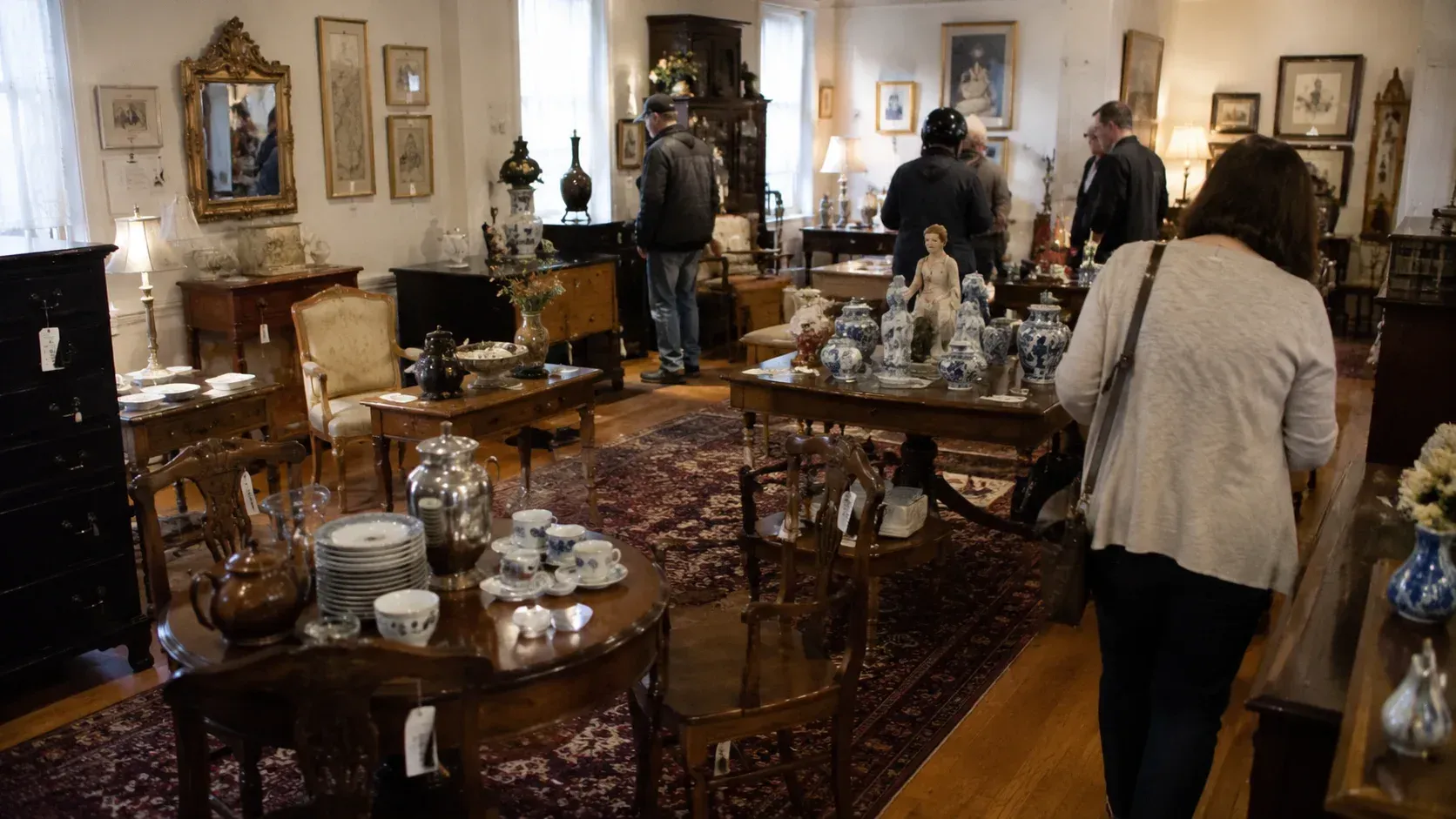
Items are typically evaluated by trained professionals, categorized, and displayed in a way that reflects their condition and market value. Sellers receive a percentage of the sale price once the item is sold, based on the agreed-upon consignment terms.
The Role of Local Expertise
Local consignment shops bring knowledge of regional demand, economic trends, and buyer behavior. In Lafayette, for instance, the popularity of certain gold styles or collectible items can differ significantly from national trends. By understanding these nuances,
local consignment stores can provide pricing and selling strategies that reflect the realities of the Lafayette market.
Personalized Evaluation and Pricing
Understanding Item Value
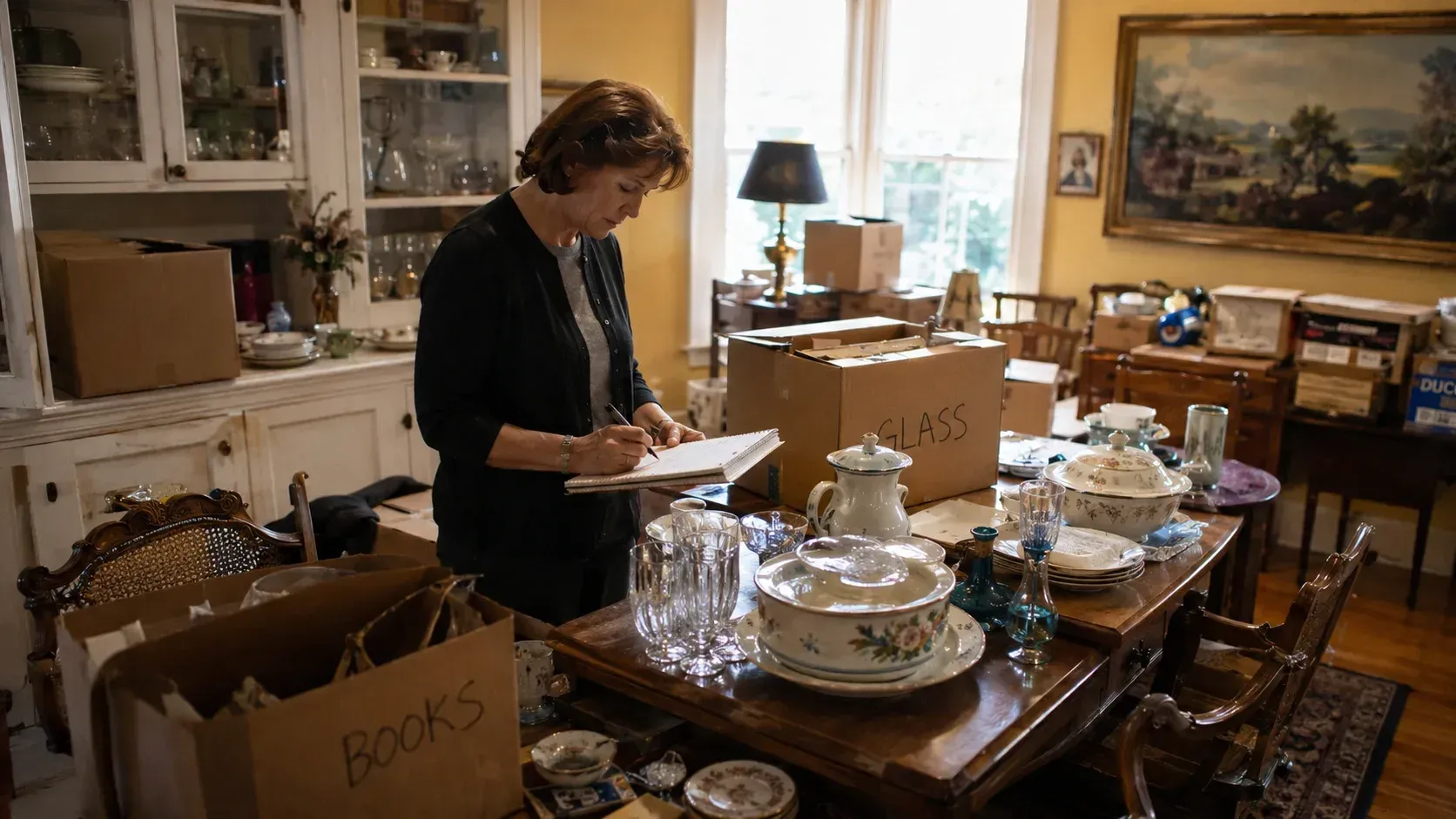
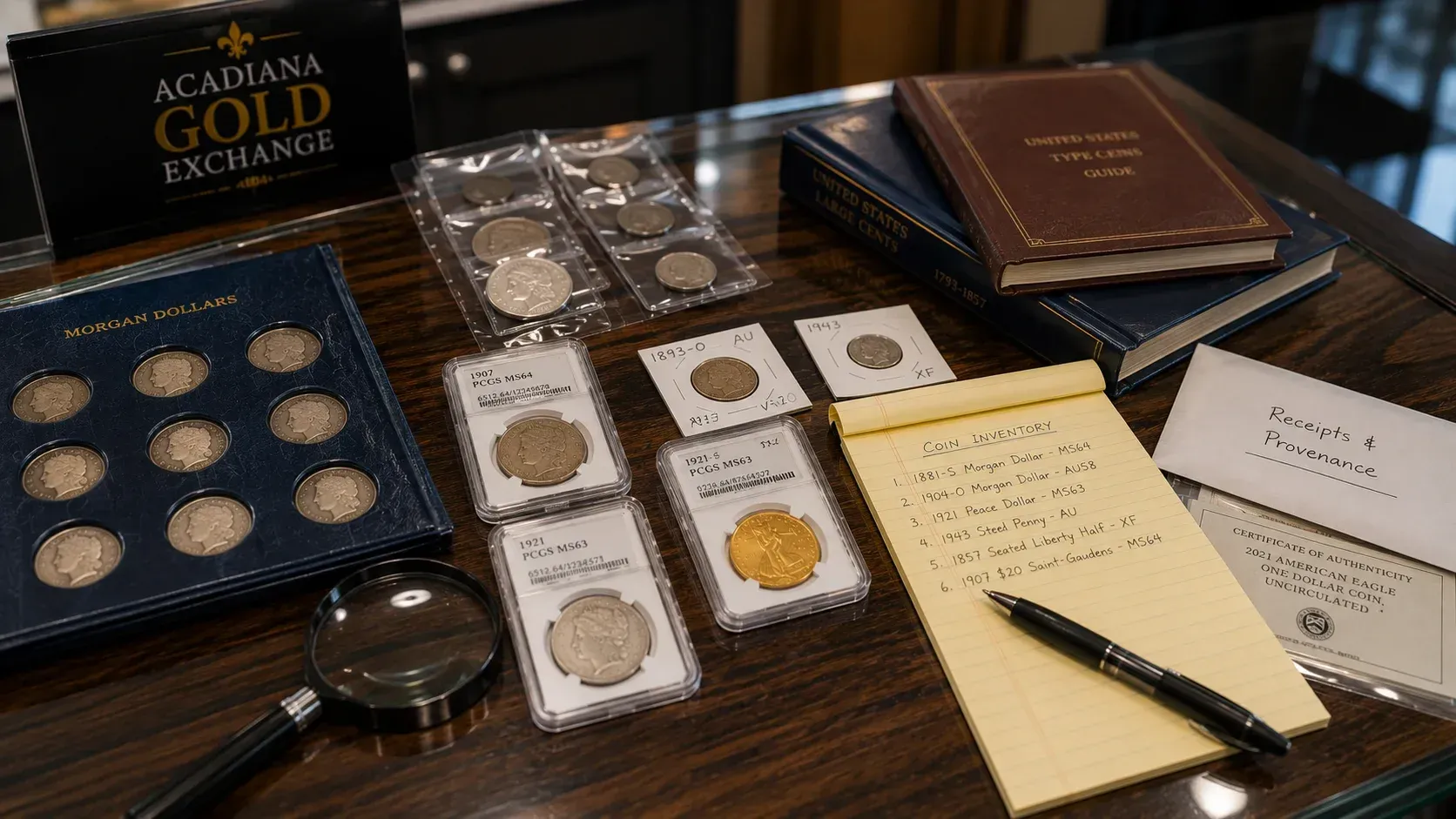
Accurate evaluation is critical when selling items on consignment. Local shops employ experts who can assess quality, authenticity, and market interest. This includes weighing gold items, inspecting gemstones, or verifying provenance for collectibles.
The benefit of this in-person evaluation is a clearer understanding of what an item is worth in the current local context. Sellers receive informed guidance, helping them set realistic expectations without relying solely on online pricing tools, which may not reflect local demand.
Local Market Insights
Lafayette consignment shops track regional buying patterns, enabling sellers to understand timing and pricing more effectively. For example, certain styles of jewelry may sell faster or command higher prices in Lafayette than elsewhere. This insight can influence consignment strategies, including pricing tiers and presentation approaches.
Convenience and Security Considerations
Handling Items Safely
Selling items online often involves shipping, packaging, and managing returns, all of which carry risk. Local consignment shops provide a controlled environment where items are handled professionally, reducing potential damage or loss. Sellers can also receive immediate guidance on secure storage and transportation of high-value items.
Streamlined Selling Process
The consignment process in a local shop typically involves fewer steps than online selling. Sellers bring in items, receive an evaluation, and agree to consignment terms. The shop then manages buyer interactions, payment processing, and legal documentation. This structure can reduce the administrative burden and uncertainty often associated with online listings.
Transparency in Transactions
Clear Terms and Fees
Consignment agreements outline the percentage of sale proceeds the seller will receive, the timeframe for sale, and any applicable fees. This transparency allows sellers to understand the financial implications of consignment before committing items.
Unlike some online platforms where fees may be hidden or fluctuating, local shops provide documented agreements, fostering trust and informed decision-making.
Ethical Practices in Consignment
Local consignment shops often operate under clear ethical and regulatory standards, including proper licensing and adherence to local business laws. This structure ensures that sellers can engage in transactions with accountability, reducing the risk of fraud or misrepresentation.
Comparing Consignment Shops to Online Selling
Time and Effort Required
Selling items online can require photographing, describing, and listing each item, followed by communication with potential buyers, handling payments, and arranging shipping. Local consignment shops manage much of this process, offering a more efficient pathway for individuals who prefer structured assistance.
Pricing Visibility and Market Demand
Online platforms expose items to a wide audience, but pricing is often inconsistent and influenced by trends that may not reflect the local market. Local consignment shops provide pricing advice rooted in regional demand, helping sellers understand realistic expectations and timelines for sale.
Conclusion
Local consignment shops in Lafayette provide practical advantages for individuals seeking to sell valuable items. Their expertise in evaluation, awareness of local market trends, structured consignment processes, and transparent agreements support informed decision-making.
By prioritizing clarity, security, and professional handling, local shops offer a controlled environment that can simplify selling items on consignment compared to navigating online platforms independently. Sellers benefit from both the guidance of experienced professionals and a system designed to maintain trust and transparency.
Book a Consignment Service
For residents in Lafayette, engaging with a local consignment shop such as Acadiana Gold Exchange provides a structured approach to selling valuable items. Send us an email at naaserus@yahoo.com or call us at (337) 534-0039 to learn more about our services.
You can also
contact us directly to schedule a consultation or evaluation.
Frequently Asked Questions
What types of items can I sell at a consignment shop?
Consignment shops typically accept items like gold, jewelry, antiques, collectibles, and designer goods, depending on the shop’s focus.
How is the sale price determined?
Local consignment professionals assess items based on quality, condition, authenticity, and current market demand to provide an informed price range.
How long does it take for items to sell?
Timeframes vary based on demand, item type, and pricing. Consignment agreements often include a window for how long items will be held.
Are there fees associated with consignment?
Yes, fees or commission percentages are typically outlined in the consignment agreement. These are transparent and agreed upon before the item is listed.
Can I sell multiple items at once?
Many consignment shops accept multiple items simultaneously, providing a streamlined process for evaluating and listing them efficiently.
Is my item safe while in consignment?
Local shops usually maintain secure storage and professional handling practices, reducing risk compared to shipping items individually for online sales.
Do I need an appointment to consign items?
Policies vary by shop. Some accept walk-ins, while others recommend scheduling an appointment for evaluations to ensure personalized attention.
Related Posts